Skip to content Skip to main navigation Skip to footer

Latest News

Planning Today for Tomorrow’s Water Supply: Wells 1A & 2A

Building a reliable water supply isn’t only about adding new infrastructure. It’s also about making thoughtful decisions about how that infrastructure will best serve our community for years to come.

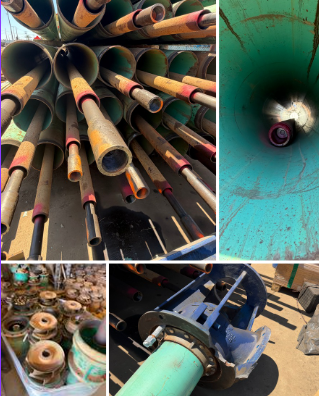
BCVWD continues to make progress on Wells 1A and 2A as part of the District’s ongoing efforts to maintain a reliable water supply while addressing Chromium VI.

Well 1A is nearing operation. The well has been drilled and equipped and is expected to be connected to the District’s non-potable water system within approximately eight weeks. Well 1A was drilled to a shallower depth than originally planned as part of BCVWD’s approach to Chromium VI mitigation.

What we learn will help guide what comes next. Once Well 1A is operating, District staff will monitor Chromium VI levels and evaluate the results. Information collected from Well 1A, along with data from Well 25, will help guide the District’s next steps for Well 2A.

Well 2A gives the District options. Well 2A has also been fully drilled but has not yet been equipped. Before moving forward, BCVWD will evaluate the available water-quality data to help determine whether the well should ultimately serve the District’s potable or non-potable water system.

Taking this step-by-step approach allows BCVWD to use the information we gather today to help make informed decisions about future investments.

That’s what long-term water planning looks like: building infrastructure, monitoring water quality, evaluating the results, and making decisions based on what will best support a safe and reliable water supply for our community.

Learn more about BCVWD projects and water resources at https://bcvwd.gov.

#BCVWD #CapitalImprovementProjects #WaterQuality #WaterInfrastructure #ChromiumVI

Investing in a Reliable Water Supply

Providing safe and reliable water doesn’t happen by chance, it requires years of planning, ongoing investment, and continual improvements to the infrastructure that serves our community. Every well, pipeline, reservoir, and treatment facility plays an important role in ensuring customers have dependable water service today while preparing for Beaumont and Cherry Valley’s future.

One important part of that work is the District’s ongoing well improvement program.

Following Board consideration, Well 30 is expected to move into the construction phase, with drilling anticipated to begin by October 2026. Located at the Noble Creek Recharge Facility Phase I, the well was strategically relocated to better support long-term water quality objectives while expanding the District’s local groundwater resources.

Construction also continues on two additional wells already underway. Well 2A has completed pump development and is moving toward equipment installation, while Well 1A is progressing with construction of its pump pedestal before permanent equipment is installed. Together, these projects represent another step toward strengthening the District’s water supply and maintaining dependable service for our growing community.

“This investment in Well 30 reflects our long-term commitment to the community we serve,” said Andy Ramirez, Vice President of the Beaumont-Cherry Valley Water District. “Reliable water service isn’t something we can take for granted — it takes deliberate planning and consistent investment in our infrastructure. By strategically relocating this well to strengthen our long-term water quality goals, we’re not just meeting today’s needs, we’re building a stronger, more resilient water system for Beaumont and Cherry Valley for generations to come.”

While each well serves a different purpose within the water system, they all contribute to the same goal, building a resilient water infrastructure that can reliably serve our customers for decades to come. As these projects continue to move forward, the District remains committed to investing in infrastructure that protects water quality, improves reliability, and prepares for future growth.

For more information, visit https://bcvwd.gov

#BCVWD #WaterInfrastructure #WaterSupply#BuildingForTomorrow#CapitalImprovement

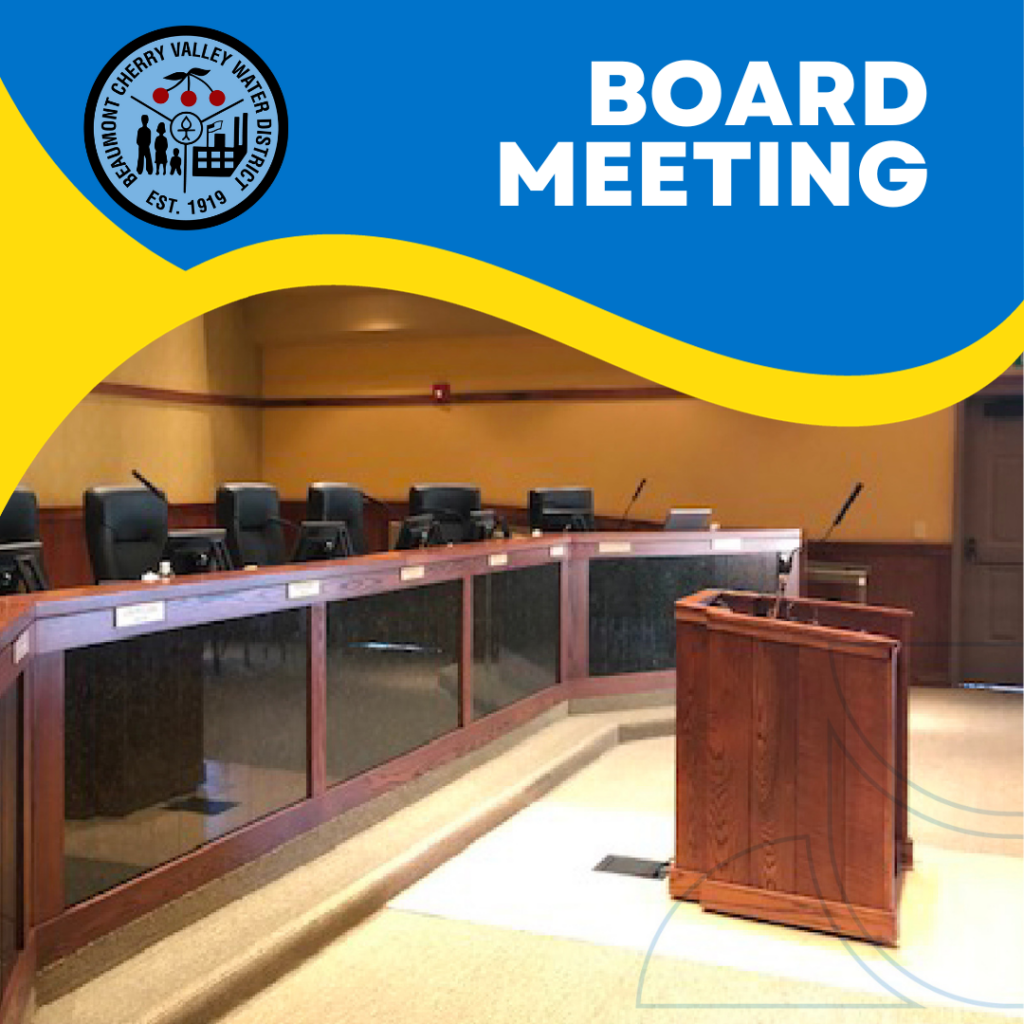
Regular Board Meeting Today 09/24/2026

Here’s your chance to #participate! We welcome feedback from the community during our Board of Directors meetings. Join us in person or online tonight at 6:00 p.m. Visit https://bcvwd.gov/documents/2026-board-meeting-agendas for the agenda. #BCVWD

Online via Zoom –

https://us02web.zoom.us/j/84318559070?pwd=SXIzMFZCMGh0YTFIL2tnUGlpU3h0UT09

Telephone, please dial: (669) 900-9128

Enter Meeting ID: 843 1855 9070

Enter Passcode: 113552

For public comment, use the “Raise Hand” feature on the video call when prompted. If dialing in, please dial *9 to “Raise Hand” when prompted. #BCVWD

Happy Fall from BCVWD!

Fall has officially arrived, but here in Southern California, warmer temperatures can stick around well beyond the first day of the season.

As we transition from summer into fall, it’s a good time to take another look at your outdoor water use. Shorter days and changing weather can mean your landscape may not need the same amount of water it needed during the hottest summer months.

A few simple seasonal adjustments can help:

  • Check your irrigation schedule and adjust watering as temperatures change.
  • Inspect sprinklers and irrigation systems for leaks or broken equipment.
  • Pay attention to your landscape and avoid watering when it isn’t needed.
  • Remember to adjust or turn off irrigation when rain arrives.

“Using water efficiently is something we can practice throughout every season,” stated BCVWD Board Member Daniel Slawson. “As we move into fall, small adjustments to our outdoor water use can make a meaningful difference while helping protect our water resources for the future.”

Even if the temperatures still feel like summer, the beginning of fall is a great reminder to prepare your home and landscape for the changing season.

For more water conservation tips visit https://bcvwd.gov

#BCVWD #FirstDayOfFall #WaterConservation #WaterWise #EveryDropCounts

BCVWD Out in the Community

Beaumont-Cherry Valley Water District was excited to participate in the City of Beaumont’s National Night Out and Touch-a-Truck event for the first time!

National Night Out is a community event that brings residents together with local public agencies, public safety organizations, and community partners. The City of Beaumont’s event also featured Touch-a-Truck, giving families an opportunity to see vehicles and equipment used by local agencies and learn more about the services provided throughout the community.

BCVWD joined the event with one of our water trucks and an informational booth. District staff met with residents, answered questions, shared water conservation and educational materials, and gave families an opportunity to learn more about the equipment and people involved in providing reliable water service to our community.

“Community events give us an opportunity to connect directly with the people we serve,” stated BCVWD Board Member Andy Ramirez. “Building those relationships and being accessible to our customers is an important part of public service.”

Participating in events like National Night Out gives BCVWD an opportunity to connect with customers outside of the District office, share information about our services, and help residents better understand the work that happens every day to serve our community.

As our first time participating, we appreciated the opportunity to join the City of Beaumont and other local organizations. We look forward to future community events and additional opportunities for BCVWD Board members and staff to meet and engage with the community we serve.

Thank you to the City of Beaumont for hosting a great event and to everyone who stopped by to visit BCVWD!

#BCVWD #CityOfBeaumont #TouchATruck #CommunityEngagement #PublicService

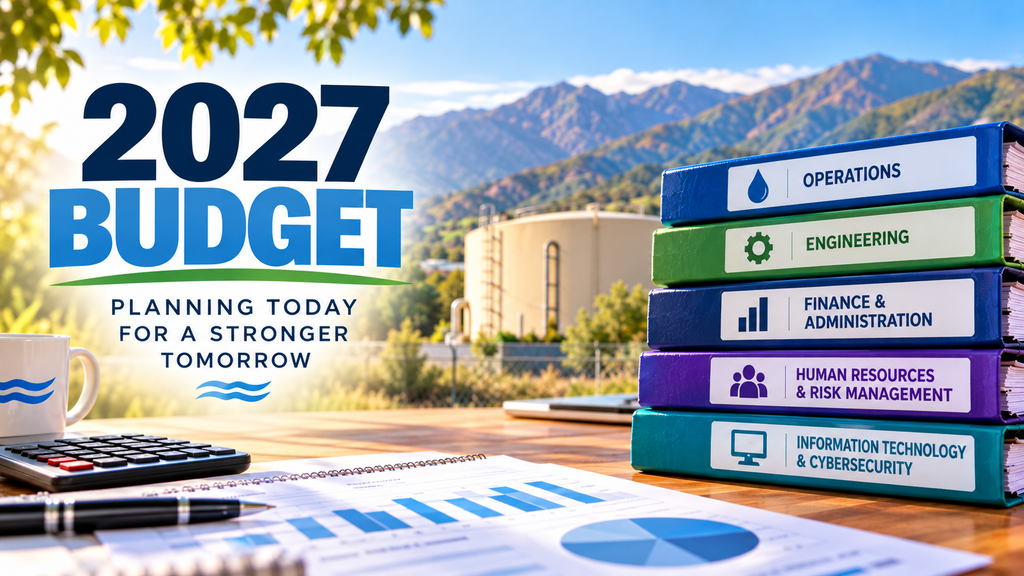
Budget at BCVWD: A Year-Round Process

When does BCVWD start preparing its annual budget?

The answer might surprise you: the budget process never really stops.

While the final budget is adopted each December and takes effect January 1, planning, monitoring, and reviewing happen throughout the entire year.

  • It starts with looking back. Each January, staff meets internally to discuss the previous year’s budget process, what worked, what didn’t, and what we can improve for the year ahead.
  • We monitor throughout the year. Each month, the Finance & Audit Committee receives an update on the budget, along with financial reports that help provide an ongoing picture of the District’s finances.
  • At mid-year, we take a closer look. Finance provides updated projections and departments review their budgets to determine whether adjustments may be needed. Sometimes that means transferring available funding between accounts; other times, an unexpected significant expense may require a formal budget amendment presented to the Board of Directors.
  • Then we start building next year’s budget. Staff training begins, Finance conducts a variety of analyses and develops projections, departments evaluate their needs and make recommendations, and personnel levels are reviewed.

“Good financial stewardship happens throughout the year,” stated BCVWD Board Member and Finance and Audit Committee Chair David Hoffman. “Our regular reviews give us an opportunity to understand where the District stands today while also looking ahead to future needs. That ongoing oversight helps us make thoughtful decisions and ensure the District remains financially prepared to serve our community.”

By October, all of that work begins coming together into the first draft of the next year’s budget for detailed review by the Finance & Audit Committee. The proposed budget then moves to the Board of Directors in November, with final consideration and adoption scheduled for December.

And on January 1?

The new budget takes effect, and the process starts all over again.

With more than 200 individual tasks involved in preparing BCVWD’s annual budget, what ultimately appears as one document represents a full year of planning, analysis, review, and collaboration.

It’s all part of making sure the District’s financial decisions are carefully considered and that we are prepared to continue providing reliable water service today and into the future.

Learn more about BCVWD at https://bcvwd.gov.

#BCVWD #BudgetAtBCVWD #FinancialStewardship #Transparency #PublicFinance #ResponsibleGovernment

Planning Today for Tomorrow’s Water Supply

How does BCVWD prepare for the next drought? Part of the answer is planning ahead.

The BCVWD Board of Directors recently approved the District’s 2027 water order for 14,000 acre-feet of imported State Water Project water from the San Gorgonio Pass Water Agency.

That doesn’t mean all 14,000 acre-feet will immediately be pumped and delivered to customers though. Instead, imported water can be used to recharge the Beaumont Basin, where it is stored underground for future use.

We have already seen why those reserves matter. During the recent drought, BCVWD drew approximately 7,619 acre-feet from storage in 2021 and 8,888 acre-feet in 2022 to help meet community needs. Since then, the District has been working to rebuild those reserves.

The 2027 order includes 11,200 acre-feet for groundwater replenishment and an additional 2,800 acre-feet to strengthen drought protection.

“Reliable water service isn’t only about meeting today’s needs, it’s about preparing for the years when water may be harder to come by,” stated BCVWD Board Member John Covington. “Storing water locally when supplies are available helps us prepare for future droughts and gives our community greater water supply reliability when we need it most.”

Think of it as a water savings account: when water is available, we put it into storage so it is there when conditions become more challenging.

Planning ahead today helps protect our community’s water supply tomorrow.

Learn more about BCVWD’s water resources at https://bcvwd.gov.

#BCVWD #WaterSupply #GroundwaterRecharge #DroughtPreparedness #WaterReliability #PlanningForTheFuture

Protecting Our Drinking Water Starts with Backflow Prevention

Did you know that backflow prevention devices help protect the public water system from contamination?

Backflow can occur when water flows in the opposite direction due to changes in water pressure, potentially allowing contaminants to enter the drinking water system. Backflow prevention assemblies are designed to prevent reverse flow and help keep our drinking water safe.

If your property is required to have a backflow prevention assembly, routine testing helps ensure it continues to operate properly, protecting both your property and the community’s water supply.

Learn more about backflow prevention and testing requirements at https://bcvwd.gov

Protecting our water is one of BCVWD’s highest priorities. Together, we can help keep our drinking water safe and reliable for everyone. #BCVWD #BackflowPrevention #DrinkingWater#WaterQuality #CommunitySafety

Regular Board Meeting Today 09/09/2026

Here’s your chance to #participate! We welcome feedback from the community during our Board of Directors meetings. Join us in person or online tonight at 6:00 p.m. Visit https://bcvwd.gov/documents/2026-board-meeting-agendas for the agenda. #BCVWD

Online via Zoom –

https://us02web.zoom.us/j/84318559070?pwd=SXIzMFZCMGh0YTFIL2tnUGlpU3h0UT09

Telephone, please dial: (669) 900-9128

Enter Meeting ID: 843 1855 9070

Enter Passcode: 113552

For public comment, use the “Raise Hand” feature on the video call when prompted. If dialing in, please dial *9 to “Raise Hand” when prompted. #BCVWD

National Preparedness Month: Make a Plan

When an emergency happens, you may not be at home, and your family may not be together. A little planning ahead can help everyone know what to do, where to go, and how to reconnect.

As part of National Preparedness Month, BCVWD is encouraging customers to take a few minutes to create or review their household emergency plan.

  • Know where you will go. Identify evacuation routes from your home and neighborhood and choose more than one route when possible. Wildfires and other emergencies can cause road closures or quickly changing conditions.
  • Choose meeting places. Pick a familiar location near your home as well as one outside your neighborhood in case you cannot return home.
  • Plan how you will communicate. Make sure everyone has important phone numbers and designate a family member or friend outside the area who can serve as a common point of contact.
  • Plan for everyone. Include children, older adults, family members with medical or mobility needs, and pets in your plan.
  • Don’t forget about water. Know where your home’s water shutoff valve is located and how to use it if necessary. Talk about what your household would do if an emergency temporarily affected water service or required you to leave home quickly.

And once you make your plan, practice it. A plan is most useful when everyone in your household knows it before an emergency occurs.

Preparedness doesn’t have to be complicated. Start with a conversation, write down your plan, and make sure everyone knows their role.

Visit https://bcvwd.gov for District information and resources, and visit Ready.gov for additional emergency preparedness planning resources.

Next in our National Preparedness Month series: Build a Kit, and make sure water is part of it!

#NationalPreparednessMonth #BePrepared #BCVWD

Back to top
The owner of this website has made a commitment to accessibility and inclusion, please report any problems that you encounter using the contact form on this website. This site uses the WP ADA Compliance Check plugin to enhance accessibility.